
IRS Notice CP2000 Explained: What It Means and What Happens Next
By IRS Notices Explained Editorial Team | Reviewed for legal context by David McNickel
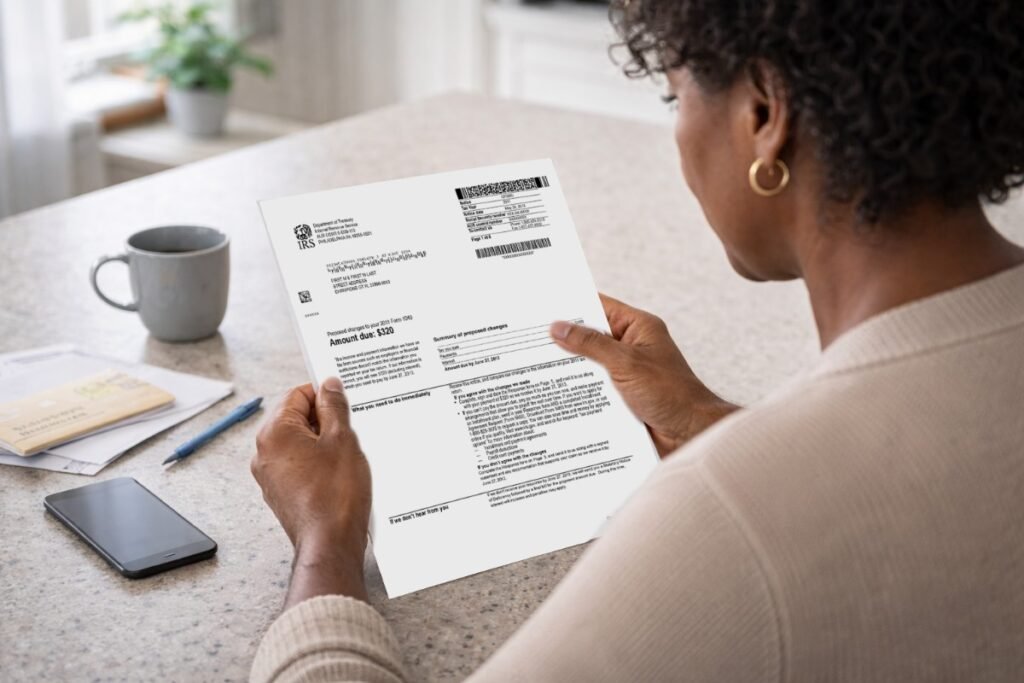
An IRS Notice CP2000 is a letter informing you that the information on your tax return doesn’t match the information the IRS received from third parties such as employers, banks, or investment firms. Many people feel anxious when they receive this notice, especially when they see it proposes additional taxes, interest, or penalties.
However, CP2000 is not a bill and does not mean you’ve been audited. It’s a proposed change that you have the right to review and respond to before any assessment becomes final. This article explains what Notice CP2000 means, why you received it, and what typically happens next. The CP2000 is one of several IRS balance due notices. You can review all notice types in our IRS Notices guide.
What IRS Notice CP2000 Is
Notice CP2000 is an IRS notification of a discrepancy between what you reported on your tax return and what third parties reported to the IRS. The notice is sometimes called an “underreporter inquiry” because it suggests you may have underreported your income, overstated your deductions, or made other reporting errors.
When you receive income – from an employer, bank interest, investment dividends, freelance work, or other sources – the payers typically send information returns to the IRS on forms like W-2s, 1099s, and others. The IRS uses automated systems to compare this information with what you reported on your tax return. If there’s a mismatch, the IRS generates a CP2000 notice.
The notice shows the IRS’s proposed changes, calculates what the agency believes you may owe, and gives you an opportunity to respond. Importantly, CP2000 is a proposal, not a final determination. You have time and the right to agree, disagree, or partially agree with the changes.
Why You Received This Notice
You received Notice CP2000 because the IRS found differences between information on your tax return and information it received from third-party sources. Common reasons include receiving income that wasn’t reported on your return, such as wages from a job, bank interest, investment income, freelance or contract income, or retirement distributions.
Sometimes the income was actually reported but in a different way than the IRS expected, causing the automated system to flag it as missing. Other times, you may have received a corrected form after filing your return and didn’t realize you needed to amend.
Deduction or credit discrepancies can also trigger CP2000 – for example, if you claimed education credits or health savings account deductions that don’t match what the IRS has on file. The notice doesn’t necessarily mean you made an error. Sometimes third parties report information incorrectly, or there are legitimate explanations for the discrepancies that you’ll need to provide to the IRS.
What the IRS Is Asking You to Do
The IRS is asking you to review the proposed changes and respond within the timeframe stated in the notice, typically 30 days from the notice date. You have three basic options. First, if you agree with the proposed changes, you can sign and return the response form included with the notice, along with payment if you choose to pay immediately.
Second, if you disagree with the proposed changes because the IRS information is incorrect or because you have documentation showing the income was reported or doesn’t apply to you, you can respond explaining your position and providing supporting documents. Third, if you partially agree – meaning some changes are correct but others aren’t – you can indicate which items you agree with and which you dispute.
The IRS needs you to respond because CP2000 is a proposal, not a final assessment. Your response helps the IRS determine whether to proceed with the proposed changes, adjust them, or close the matter. Even if you can’t pay the proposed amount, responding is important to protect your rights and avoid the proposal automatically becoming an assessment. Check here for more on response options.
What Happens If You Ignore This Notice
Ignoring Notice CP2000 can lead to the proposed changes becoming a formal tax assessment. If you don’t respond within the timeframe provided, the IRS typically sends a follow-up notice called a Statutory Notice of Deficiency, which gives you 90 days to petition the U.S. Tax Court if you disagree.
If you don’t respond to that either, the IRS will assess the proposed tax, interest, and penalties, and you’ll receive a bill. Once the assessment is made, it becomes much harder to dispute. You’ll have fewer options for challenging the determination, and the IRS can begin collection activities. Interest continues to accrue from the original due date of the return, so the amount owed grows over time.
Penalties may also apply, depending on the circumstances. Responding to CP2000 – even if you need more time to gather information – keeps your options open and prevents the automatic progression to assessment and collection. If you need additional time, you can contact the IRS to request an extension to respond.
How This Notice Fits Into the IRS Collection Timeline
Notice CP2000 is an early-stage notice in the tax assessment process. It occurs after you’ve filed your tax return and after the IRS has processed information returns from third parties. The typical sequence looks like this:
- first, you file your tax return;
- second, the IRS receives wage and income information from employers, banks, and other payers;
- third, the IRS’s automated system compares the information;
- fourth, if discrepancies are found, the IRS generates Notice CP2000;
- fifth, you have an opportunity to respond and provide information;
- sixth, depending on your response, the IRS either closes the matter, adjusts the proposal, or proceeds toward assessment.
CP2000 comes before any formal assessment or collection action. It’s part of the IRS’s matching program, not an audit or examination, though the IRS does review your response. After CP2000, if you don’t reach an agreement with the IRS, you may receive a Statutory Notice of Deficiency, which represents the next stage toward formal assessment. Understanding this progression shows that CP2000 is an early opportunity to address discrepancies before they become assessed tax debt.
Common Questions About The IRS CP504 Notice
Is this notice serious?
CP2000 is important and requires a response, but it’s a proposal that you can review and contest. It’s not a final determination or a bill.
Do I have to respond?
Yes. Responding is important to protect your rights and ensure the IRS has your side of the story. Even if you need more time, contact the IRS to request an extension.
Does this mean I owe money?
Not necessarily. CP2000 shows what the IRS proposes you may owe based on their information. You might not owe anything if the discrepancy can be explained or if the IRS information is incorrect.
Is enforcement already happening?
No. CP2000 is a proposed change, not a collection action. No assessment has been made, and no collection activity will begin unless the proposal becomes finalized and remains unpaid.
What happens if I disagree?
You can respond explaining why you disagree and provide documentation to support your position. The IRS will review your response and either agree with you, adjust the proposal, or maintain their position.
Can I set up a payment plan if I agree?
If you agree with the proposed changes and can’t pay the full amount, you can generally set up an installment agreement with the IRS.
Does this mean I'm being audited?
No. CP2000 is the result of an automated matching process, not an audit. However, the IRS does review your response if you disagree.
What Options People Typically Consider at This Stage
When receiving Notice CP2000, people often take several approaches. Some carefully review the notice and compare it with their tax return and all the income forms they received to understand where the discrepancy lies. Those who agree with the IRS’s findings may sign the response form and pay the amount proposed, or arrange a payment plan if they can’t pay in full. People who disagree typically gather documentation – such as their actual 1099s, W-2s, brokerage statements, or other records – to show the income was reported or that the IRS information is incorrect.
Some discover they actually did omit income or made an error, in which case they may agree with part or all of the proposal. Others find that the third-party information was wrong or that there’s a valid explanation for what appears to be a discrepancy. Those who need more time to review or gather documents often contact the IRS to request an extension to respond. Each approach depends on the specific circumstances and the nature of the discrepancy.
When People Usually Seek Professional Help
Many people consider professional assistance when dealing with Notice CP2000. Common situations include when the proposed changes are large and the financial impact is significant. People often seek help when they’ve reviewed the notice but don’t understand what the IRS is claiming or why there’s a discrepancy. Those who have complex tax situations—such as multiple income sources, investment transactions, or business income—sometimes find professional guidance helpful for preparing a response.
If someone disagrees with the IRS but isn’t sure how to document or explain their position, professional assistance can help present the information effectively. People who are concerned about their ability to communicate with the IRS or who find the process overwhelming may consult with tax professionals.
Those who face tight deadlines and haven’t had time to gather necessary documentation sometimes seek help managing the response timeline. Business owners or self-employed individuals who receive CP2000 notices related to business income often want professional assistance navigating the response. The decision to seek help is individual and depends on the complexity of the situation and personal comfort with handling tax matters. Check here for more on who can help you file back taxes.
Key Takeaways
- Notice CP2000 is a proposal that information on your tax return doesn't match what the IRS received from third parties
- This notice is not a bill, not an audit, and not a final determination—you have the right to respond and contest it
- The IRS is asking you to review the proposed changes and respond within the stated timeframe, typically 30 days
- CP2000 is an early-stage notice that comes before any formal assessment or collection action
- You can agree, disagree, or partially agree with the proposal, and should provide documentation to support your position