
IRS Notice CP71/CP71C Explained: What It Means and What Happens Next
By IRS Notices Explained Editorial Team | Reviewed for legal context by David McNickel
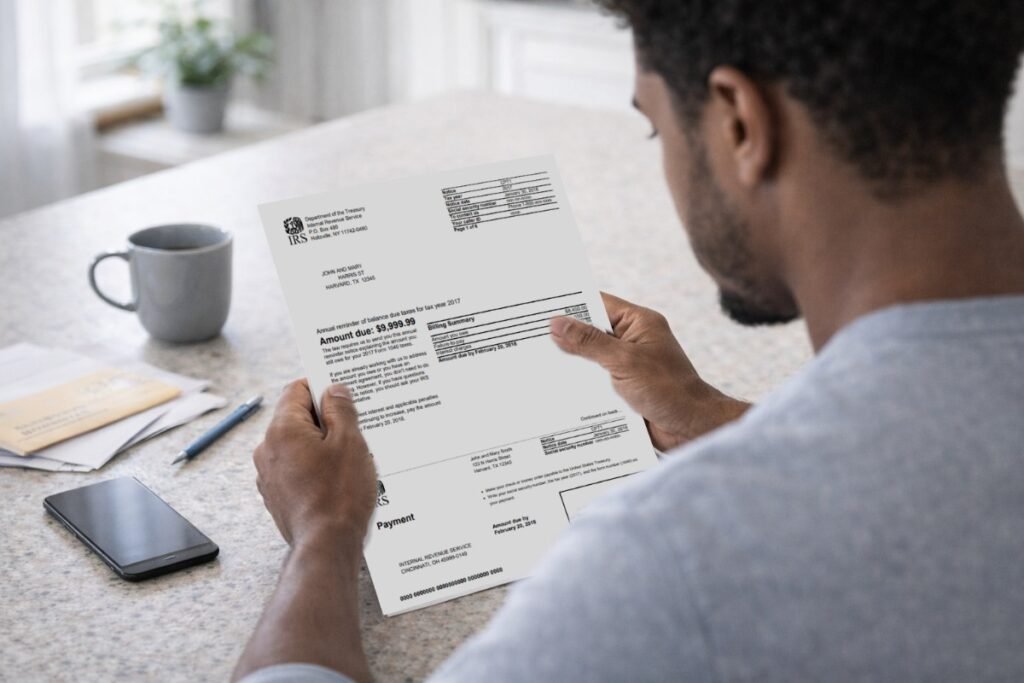
An IRS Notice CP71 or CP71C is an annual reminder that you have an unpaid tax balance with the IRS. Many people feel concerned when they receive this notice, wondering if it means the situation has become more serious or if new action is being taken.
However, understanding what CP71/CP71C represents can help reduce worry. This is primarily an informational notice that the IRS sends once a year to remind you of your outstanding balance. It doesn’t introduce new penalties or start new collection actions – it’s a status update on a debt the IRS already has on record. The CP71/CP71C is one of many IRS notices. You can review all notice types in our IRS Notices guide. This article explains what Notice CP71/CP71C is, why you received it, and what typically happens next.
What IRS Notice CP71/CP71C Is
Notice CP71 and Notice CP71C are annual reminder notices that the IRS sends when you have an outstanding tax balance. CP71 is sent when you have an unpaid balance but no formal collection action is currently underway. CP71C is sent when you have an unpaid balance and the IRS has filed a Notice of Federal Tax Lien.
Both versions serve the same basic purpose: to inform you that you still owe money and to provide updated balance information including any interest and penalties that have accumulated. The notice shows the amount you owed at the time it was generated, how much interest and penalties have been added, and what your current total balance is. It’s an informational communication that the IRS is required to send annually for outstanding balances.
The notice doesn’t create new obligations or start new collection timelines – it simply documents that the debt exists and continues to accrue interest. Think of it as an annual statement showing where things stand with your tax account
Why You Received This Notice
You received Notice CP71 or CP71C because you have an unpaid tax balance that has been on your account for a period of time. The IRS sends these notices once per year as long as a balance remains unpaid. You may have received earlier notices when the debt was first assessed or when collection efforts were more active, and CP71/CP71C represents the annual update on that same debt.
Common reasons you might have a continuing balance include;
- having made partial payments that didn’t fully satisfy the debt, being in an installment agreement that’s still in progress and hasn’t yet paid off the balance,
- having been granted Currently Not Collectible status where the IRS temporarily paused collection but the debt still exists,
- having an unpaid balance that you haven’t addressed.
If you receive CP71C rather than CP71, it means the IRS has filed a federal tax lien on your property due to the unpaid balance. The notice arrives each year around the same time to keep you informed of the outstanding debt and how much interest has accumulated. It’s a routine communication for accounts with continuing balances rather than a new development in your case.
What the IRS Is Asking You to Do
Ignoring Notice CP71/CP71C doesn’t trigger immediate consequences in most cases because it’s an informational notice rather than a demand for action. However, ignoring the underlying debt has ongoing implications. Interest continues to accrue on the unpaid balance, which means the amount you owe grows over time. Failure to Pay penalties may also continue to apply, though they typically stop accruing once they reach 25 percent of the original tax owed.
The debt doesn’t go away on its own – it remains on your tax account. While CP71/CP71C itself doesn’t start new collection actions, the IRS may pursue collection through other means independently of this annual notice. If you’re not in an installment agreement or other arrangement, the IRS could issue levies on your wages or bank accounts, or take other collection steps. If you received CP71C, it means a tax lien is already in place, which affects your credit and ability to sell or refinance property.
The annual notice serves as a reminder that the debt exists and that taking action to address it would be beneficial, but the notice itself doesn’t create new penalties or enforcement actions simply by being ignored.
How This Notice Fits Into the IRS Collection Timeline
Notice CP71/CP71C is a maintenance-stage notice that occurs when you have an established tax debt that hasn’t been fully resolved. The typical progression leading to CP71/CP71C includes:
- first, a tax liability is assessed;
- second, the IRS sends initial collection notices demanding payment;
- third, if the debt isn’t paid, the IRS may pursue collection actions or file a lien;
- fourth, the situation reaches a stable state where you might be in an installment agreement, Currently Not Collectible status, or simply have an ongoing unpaid balance;
- fifth, the IRS sends CP71 or CP71C annually to document the continuing balance. This notice represents a point where active collection may have paused or where you’re in a payment arrangement, but the debt still exists. It’s not an escalation in the collection process—it’s a routine annual communication about a known debt.
After receiving CP71/CP71C, you’ll continue to receive similar notices each year until the balance is paid, though the IRS may also send other notices if your situation changes or if they pursue additional collection actions. Understanding this progression shows that CP71/CP71C is part of the IRS’s ongoing account management for unpaid balances rather than a new development or threat.
Common Questions About IRS Notice CP71/CP71C
Is this notice serious?
CP71/CP71C is important because it documents real debt that you owe, but it’s not a demand for immediate action or a new collection threat. It’s an annual reminder and balance statement.
Do I have to respond?
There’s no specific deadline or requirement to respond to CP71/CP71C. However, addressing the underlying debt is beneficial to stop interest from accruing and to resolve your tax obligation.
Does this mean I owe money?
Yes. You have an outstanding tax balance. The notice shows the current amount including accumulated interest and penalties.
Is enforcement already happening?
Not necessarily. CP71/CP71C is an informational notice. However, if you received CP71C, a tax lien has been filed. The IRS could pursue other collection actions independently of this notice.
What happens if I disagree with the amount?
If you believe the balance is incorrect, contact the IRS at the number provided in the notice to discuss your account and review the balance calculation.
Can I set up a payment plan?
Yes. If you can’t pay the full balance, you can contact the IRS to arrange an installment agreement. The notice typically provides information about this option.
Does receiving this every year mean something is wrong?
No. The IRS sends CP71/CP71C annually as long as you have an unpaid balance. Receiving it each year is normal for accounts with continuing debt, and it doesn’t indicate a problem with your account status.
What's the difference between CP71 and CP71C?
CP71C is sent when the IRS has filed a Notice of Federal Tax Lien on your account. CP71 is sent when you have a balance but no lien has been filed.
What Options People Typically Consider at This Stage
When receiving Notice CP71/CP71C, people take various approaches depending on their circumstances. Some review the balance to ensure it matches their understanding and to see how much interest has accumulated since the last notice. Those with the financial means to pay the balance often consider doing so to resolve the debt and stop further interest from accruing.
Others who can’t pay in full look into setting up an installment agreement if they don’t already have one, or review whether their existing payment plan needs modification. Some people contact the IRS to discuss Currently Not Collectible status if their financial situation makes payment impossible at the moment. Those who’ve experienced a change in financial circumstances since the debt was assessed sometimes explore their options for addressing it now.
Some people simply file the notice with their tax records, especially if they’re already in a payment arrangement or if their circumstances haven’t changed from the prior year. Each approach depends on individual financial situations and whether there’s been any change in ability to address the debt.
When People Usually Seek Professional Help
Many people consider professional assistance related to Notice CP71/CP71C when they’re uncertain about the best way to resolve a long-standing tax debt. Common situations include when the balance is substantial and they want guidance on the most effective resolution strategy. People often seek help when they’ve been receiving CP71/CP71C for several years and haven’t been able to make progress on the debt.
Those who’ve experienced financial changes – such as increased income or receipt of funds – and are now considering settling the debt may want professional advice on the best approach. If someone believes the balance is incorrect but isn’t sure how to dispute it or have it reviewed, professional assistance can help navigate that process. People who receive CP71C and are concerned about the impact of the tax lien on their credit or property may seek guidance.
Those considering major financial decisions like selling property or refinancing may want professional help understanding how the tax debt affects those transactions. Business owners with ongoing tax debts sometimes consult professionals about managing the balance while operating their business. The decision to seek help is individual and often relates to the size of the debt, duration of the situation, and whether circumstances have changed that make resolution more feasible.
Key Takeaways
- Notice CP71/CP71C is an annual reminder that you have an unpaid tax balance with the IRS
- CP71 is sent when you have a balance; CP71C is sent when a tax lien has been filed
- This is an informational notice that doesn't create new deadlines or start new collection actions
- Interest continues to accrue on the unpaid balance, so the amount grows over time if not addressed
- Options include paying the balance, setting up an installment agreement, or discussing your financial situation with the IRS
This page provides general informational content only and is not affiliated with the IRS or any government agency.